Sun & Glare Control
UV Protection
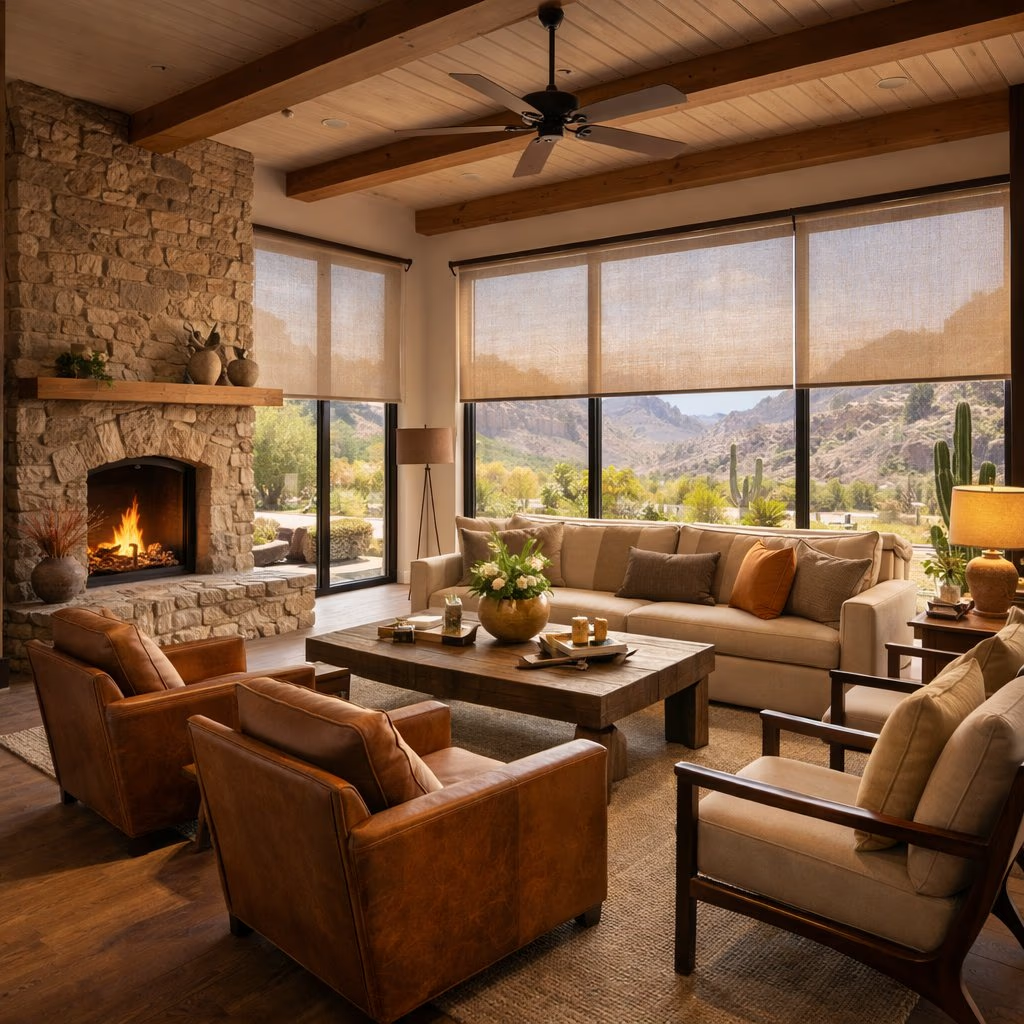
Strong sunlight can fade flooring, upholstery, artwork and other interior materials over time. Solar shades, sheer shadings and other UV-filtering treatments reduce the amount of ultraviolet and visible light reaching the room while allowing different levels of daytime view-through.
Discount Best Blinds and Shutters helps homeowners compare fabrics according to exposure, desired view and privacy. For truly valuable or conservation-sensitive collections, window coverings should support—not replace—professional preservation, glazing and environmental-control advice.
Get a Free Quote
Museum-grade UV protection, tuned window by window
We focus first on the windows receiving the strongest direct light and on the materials the homeowner most wants to protect. That usually leads to a more practical plan than covering every window with the darkest available fabric.
For west-facing glass, a very tight fabric may make sense if protection is the priority. In a living room with a valued landscape view, a slightly more open fabric may be the better compromise. We hold samples at the window so the difference is visible before ordering.
A window covering does not replace proper wine-storage temperature control. For cellars or collections, we treat shading as one part of the environmental plan and avoid making preservation claims beyond the documented performance of the fabric.
We can compare solar fabric, sheer shading and more opaque options according to how much view and natural light the room should retain.
Protect your interiorsHow we deliver it
What this solution includes
Why Sunlight Changes Interior Materials Over Time
Fading is caused by a combination of ultraviolet radiation, visible light, heat and the sensitivity of the material itself. Wood, textiles, photographs and pigments do not all respond at the same rate. A treatment that reduces direct sun can slow that exposure, but no interior shade should be described as making an object immune to fading.
Choose Solar-Fabric Openness by Balancing View and Protection
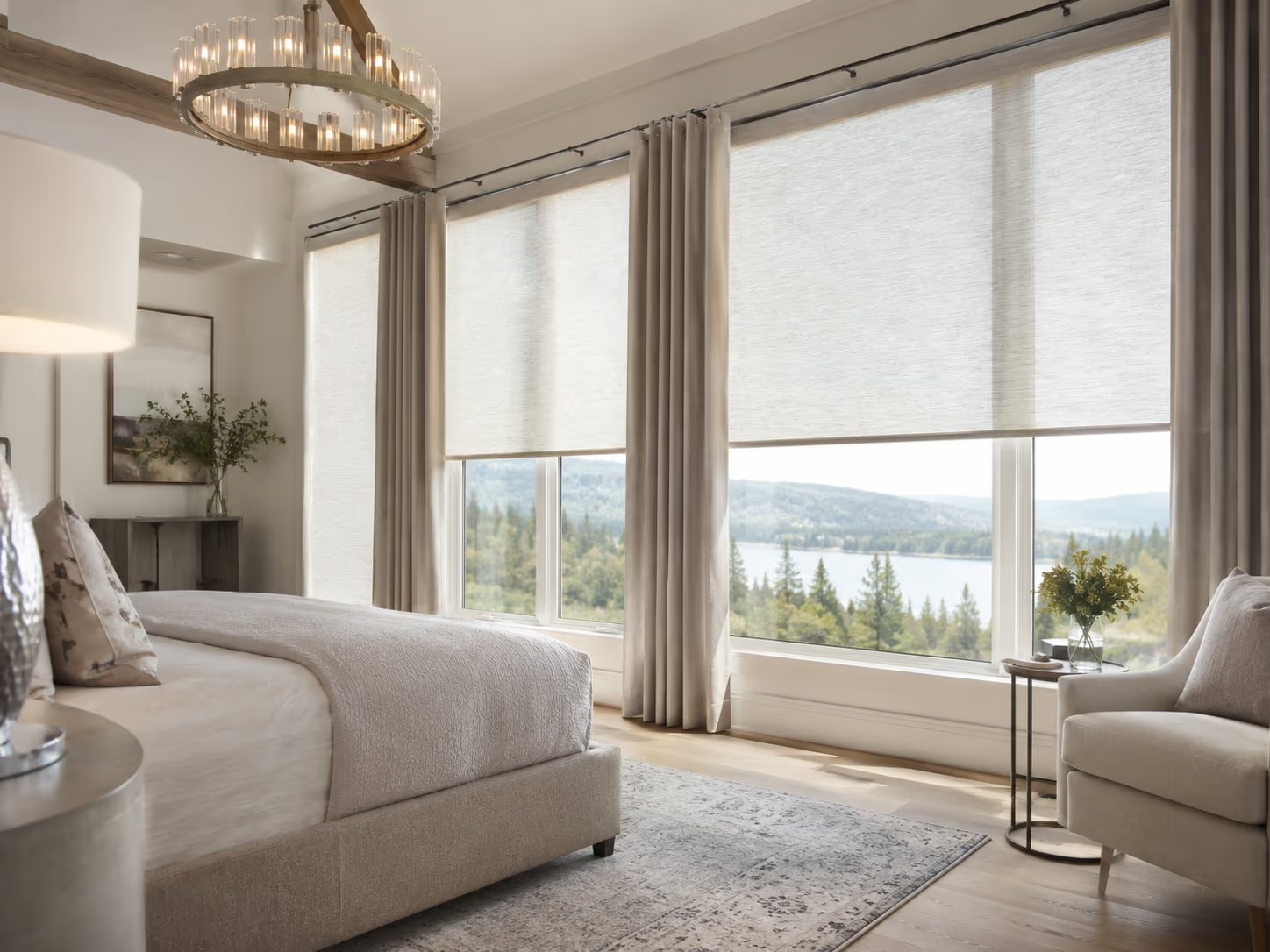
Solar shades use an open weave. A tighter openness generally reduces more glare and gives stronger daytime screening, while a more open fabric preserves a clearer view. The exact UV and solar performance should be taken from the manufacturer data for the chosen fabric.
Sun Control Around Wine Displays and Hospitality Spaces
Wine labels, wood finishes and display materials can all be affected by prolonged light exposure, while tasting rooms also need comfortable glare control for guests. Solar shades or other filtering treatments can reduce direct sun without automatically making the space feel closed off.
Prioritize the Windows That Put Sensitive Surfaces in Direct Sun
When a strong sun patch crosses the same hardwood, rug or artwork every afternoon, that exposure is an obvious candidate for shading. Automated schedules can make protection more consistent because the homeowner does not need to remember to close the shade at the same time every day.
The details
- UV Block (1% openness)
- 99% UV · 86% visible light
- UV Block (3% / 5% / 10%)
- 97% / 95% / 90%
- Silhouette® Shadings
- Sheer facing filters UV
- Standards
- ASTM E903 / AATCC 183
- Art-Grade Spec
- 1% openness factor
Recommended products
Products that deliver this
FAQ
Frequently Asked Questions
Yes. That is one of the main advantages of solar fabric. The tighter the weave, the more the view is softened, so the best choice is a balance rather than simply selecting the lowest openness.
Yes, they can reduce direct light and UV entering through the glass. They do not control the full storage environment, so temperature, humidity and professional cellar design remain separate considerations. Use shading as part of the protection strategy, not as a substitute for proper storage.
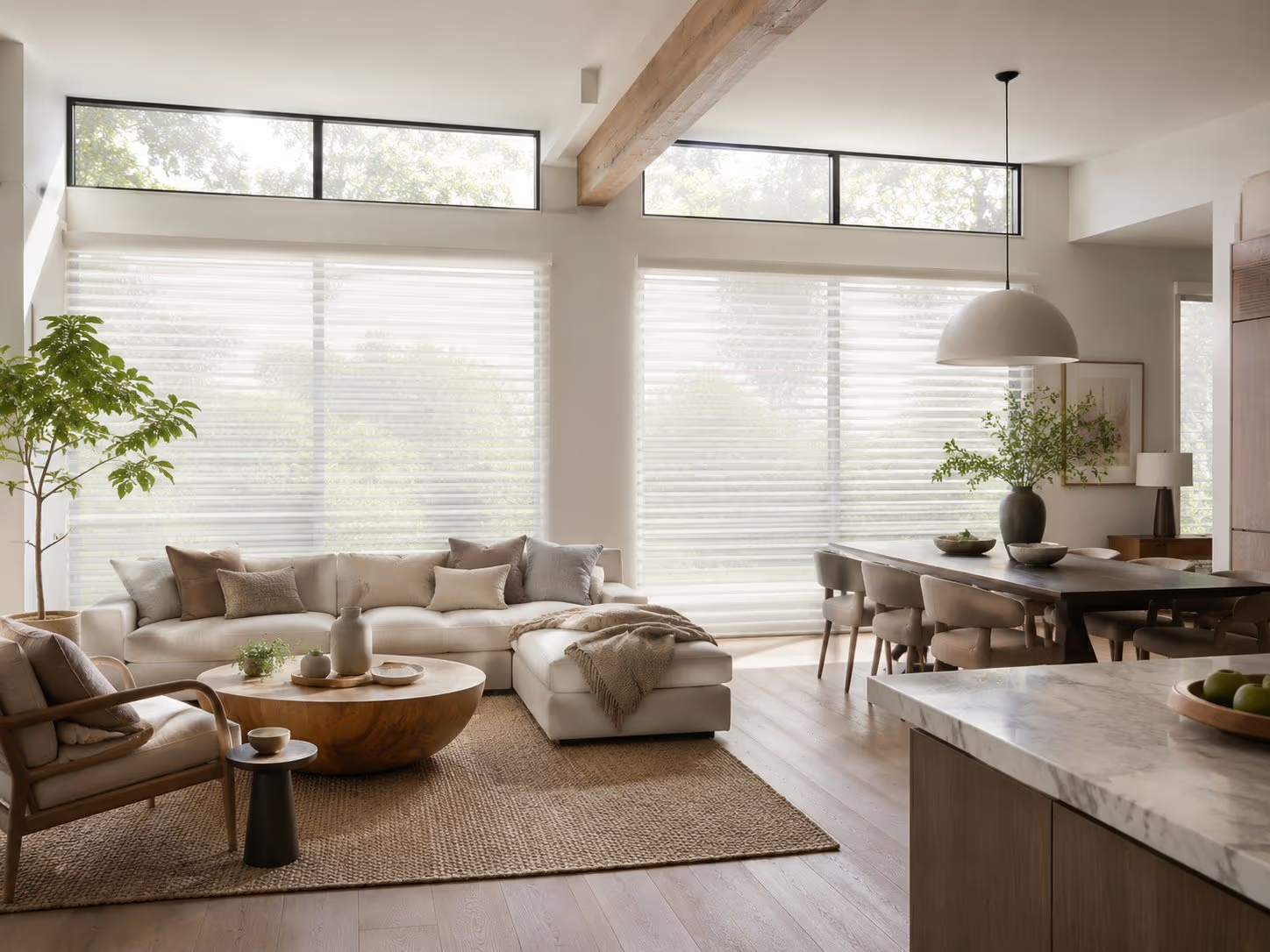
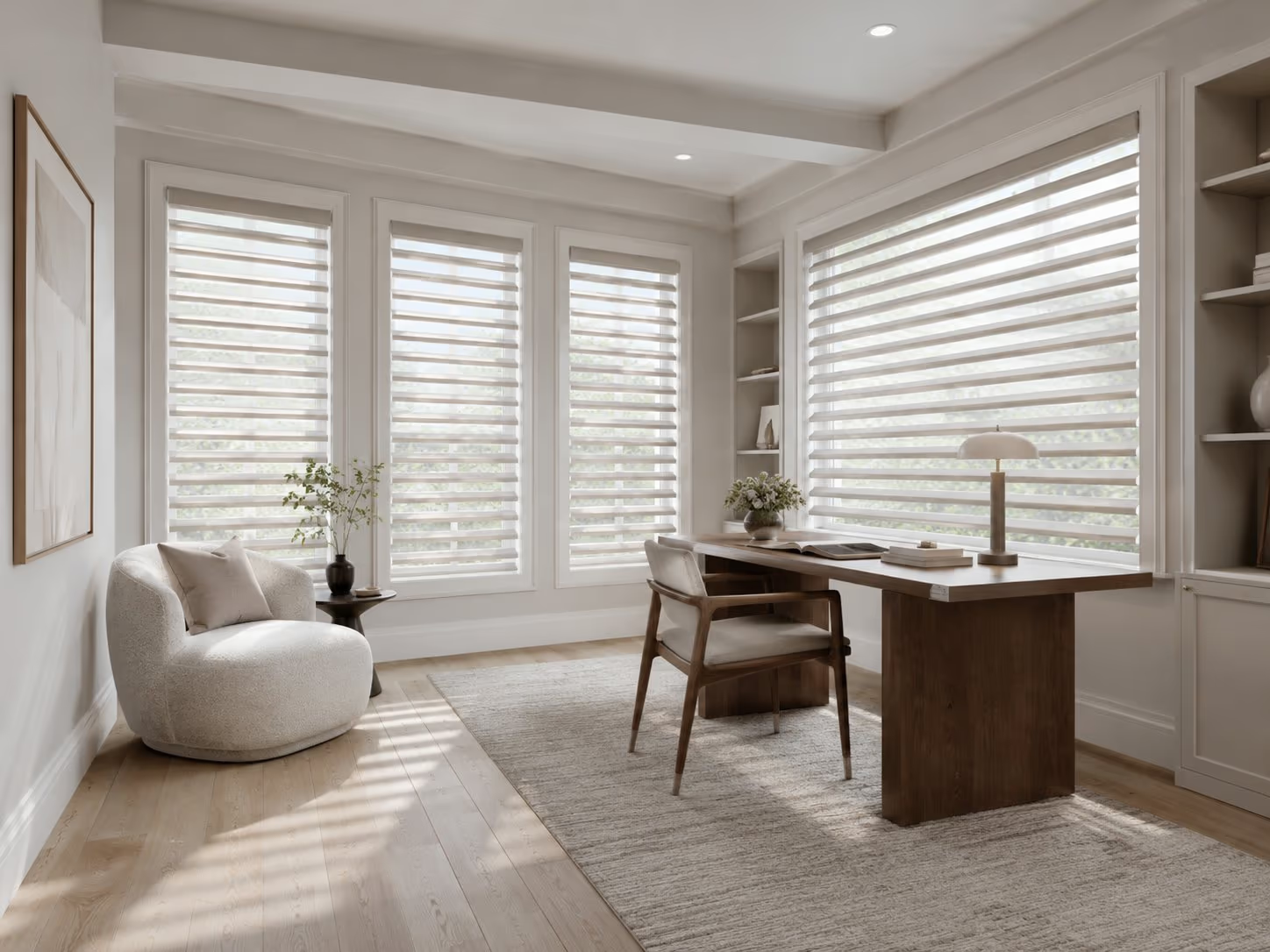
Solar shades are useful where daytime view matters, while more opaque shades provide stronger light reduction when the view is less important. Sheer shadings can also diffuse direct sun. The better choice depends on exposure and how dark the homeowner is willing to make the room.
Many solar fabrics reduce some solar heat gain along with visible glare and UV. The amount varies by fabric and glazing, so use the verified SHGC or manufacturer performance data for the selected product rather than a universal cooling percentage.