Insulating Window Treatments
Energy Efficiency
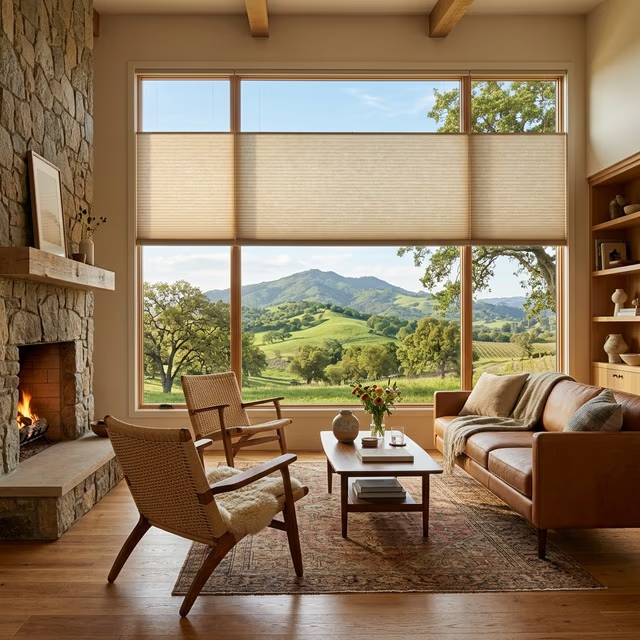
Windows can be one of the easiest places for a room to gain heat in the afternoon or feel cold on winter mornings. Cellular shades, solar fabrics and lined treatments address different parts of that problem. Cellular products add insulating air pockets; solar fabrics reduce direct sun and glare; automation can make sure the treatment is actually used at the time it helps most.
Discount Best Blinds and Shutters evaluates the orientation, glass, room use and privacy needs before recommending a product. Published R-values, U-factors, SHGC figures and savings percentages should be tied to the exact tested product and assembly rather than presented as a guaranteed utility-bill result.
Get a Free Quote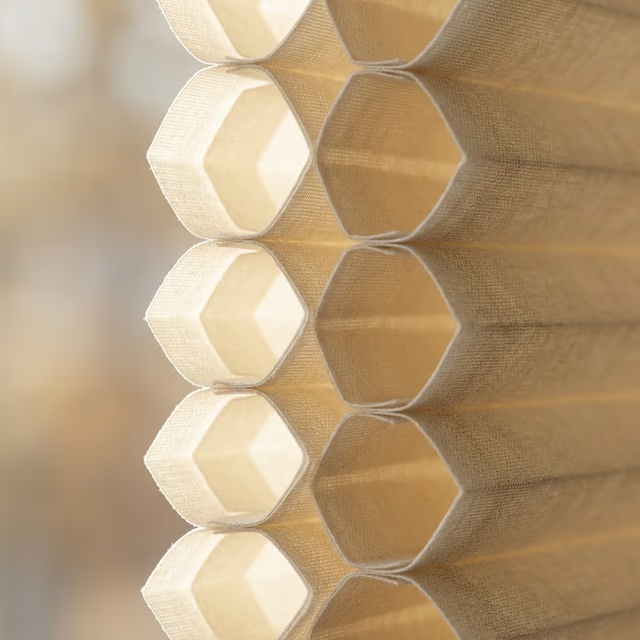
The right insulating construction for every exposure
We focus on comfort first: hot west-facing rooms, cold windows, glare and drafts are problems homeowners can feel immediately. Any utility savings should be treated as a potential benefit rather than a fixed percentage promise.
Fabric color and openness change how a solar shade performs and looks. Tighter fabrics generally reduce more glare but also reduce view. We compare those tradeoffs at the window rather than assuming the most aggressive solar fabric is always the best choice.
Lower your energy billsHow we deliver it
What this solution includes
Can Better Window Coverings Reduce Heating and Cooling Demand?
They can reduce heat transfer and solar gain at the window, which may lower the amount of heating or cooling a room needs. The size of the effect depends on the existing glass, shade construction, fit, orientation and homeowner behavior. A highly insulating shade that is left open during the hottest part of the day will not deliver the same benefit as one that is used consistently.
Why Sonoma County Homes Often Need Both Summer and Winter Window Strategies
Instead of using the same shade on every opening, we look at exposure room by room. A sunny living room may need solar control while a north-facing bedroom benefits more from an insulating cellular fabric.
Products to Consider for Strong Afternoon Sun
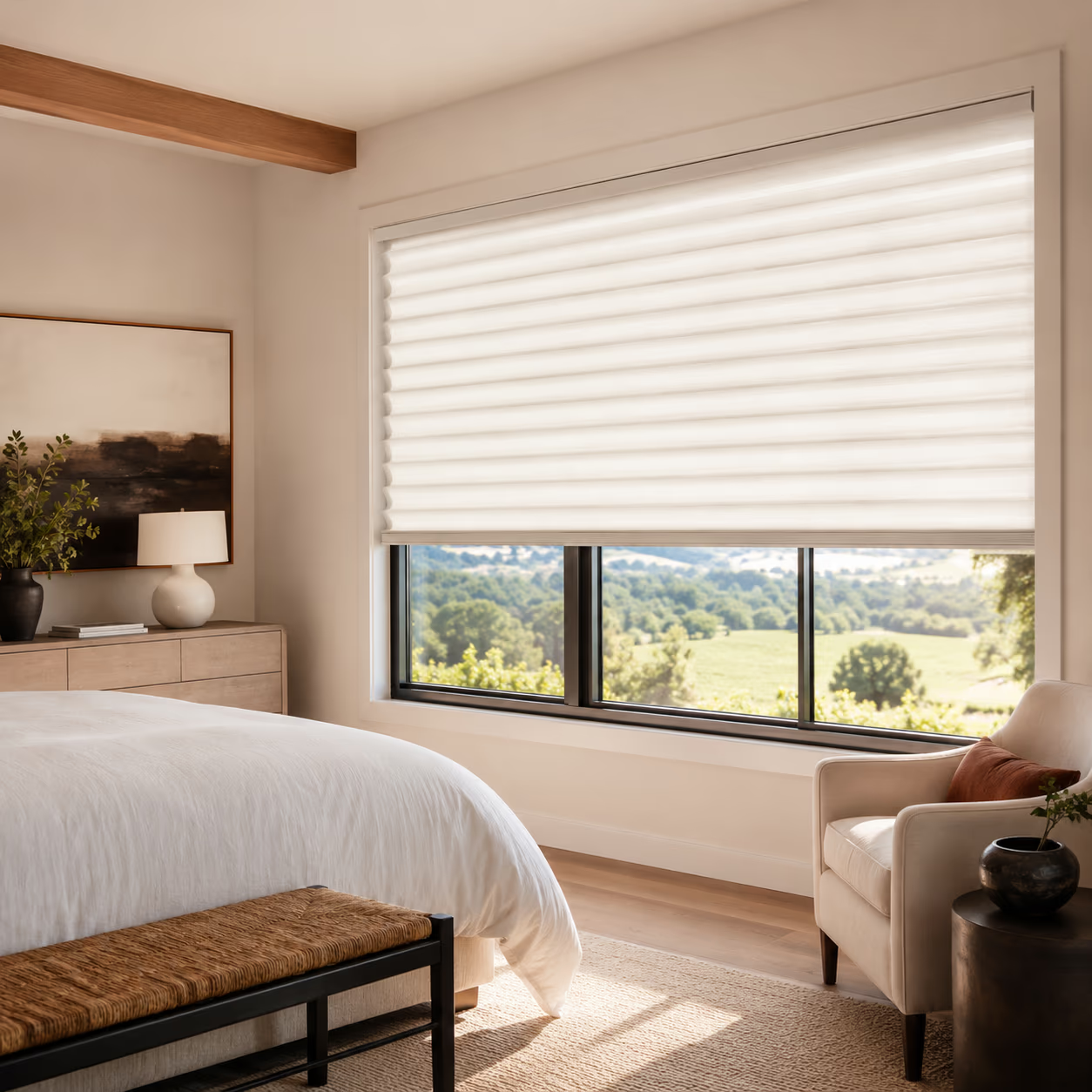
Solar shades are useful when the main problem is glare and direct sun but you still want daytime view-through. Cellular shades add more insulation and privacy. Some rooms benefit from using one product that balances both needs; others may justify a layered approach.
Match the Treatment to the Window Orientation
Energy performance improves when each exposure is treated according to the problem it actually has. The headings below can remain as orientation guides, but product recommendations should be adjusted to the room, glass and current manufacturer performance rather than presented as universal formulas.
The details
- Most Insulating
- Cellular honeycomb (Duette®)
- Performance Figures
- Quoted per tested configuration
- Also Effective
- Solar fabrics, lined drapery, shutters
- Standard
- NFRC 500-2020
Recommended products
Products that deliver this
FAQ
Frequently Asked Questions
R-value is a measure of thermal resistance. Some cellular shade configurations have published R-values that are much higher than flat fabric treatments because the cells trap air.
There is no responsible fixed savings number for every home. Results depend on glass, house construction, climate, HVAC efficiency, shade use and the number of windows treated. The strongest promise we can make from the product itself is improved window insulation or solar control based on verified performance data.
Programs change frequently and eligibility can depend on product certification, installation date and taxpayer or utility requirements. The website should not promise a rebate unless the current program explicitly covers the product. Homeowners should confirm current PG&E, state and federal incentive rules before purchase.
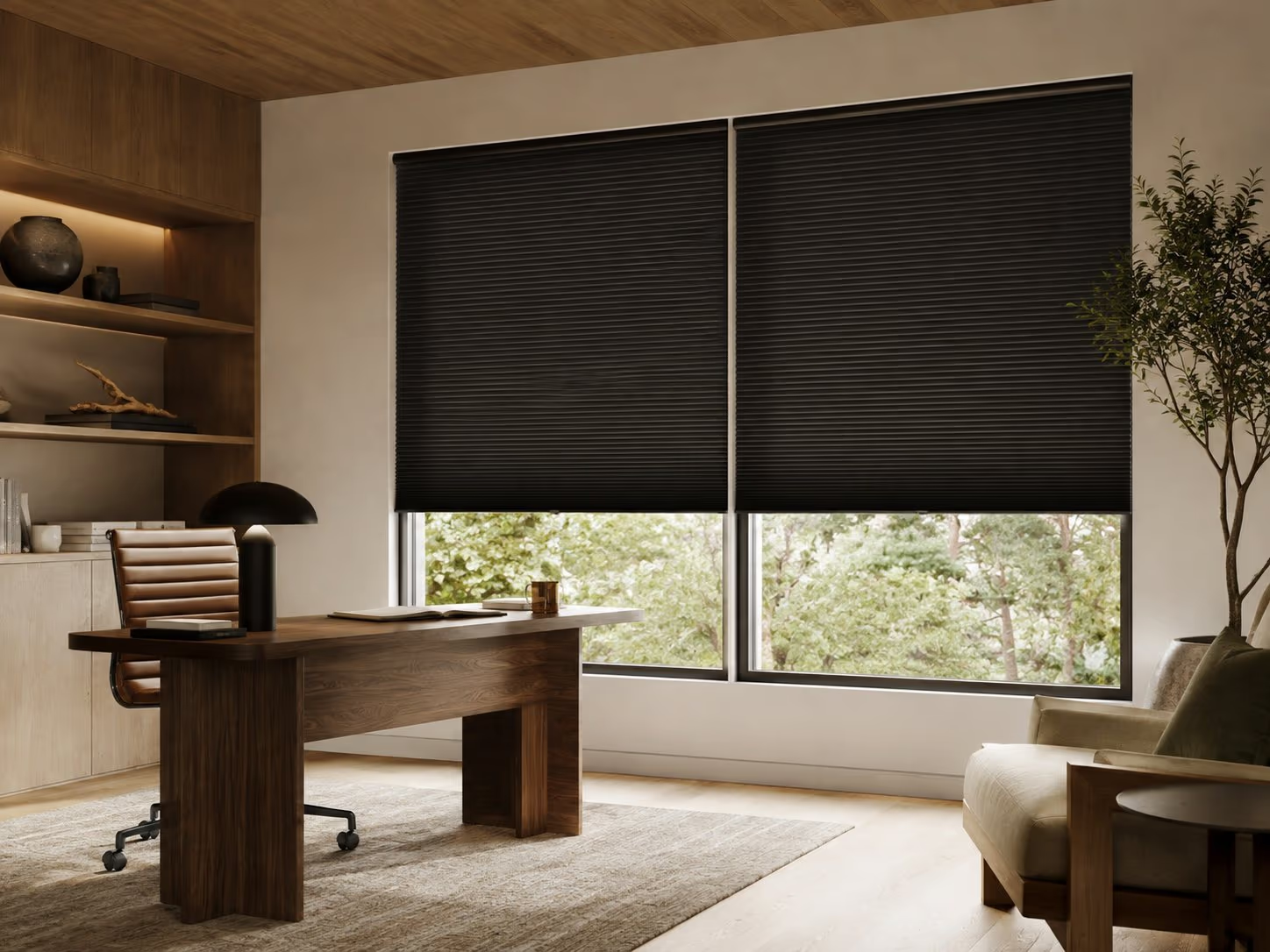
Solar shades are a strong option when glare and solar gain are the main issue and daytime view is important. Cellular shades are stronger when insulation and privacy are priorities. The best choice depends on whether the homeowner is trying to preserve the view, darken the room or reduce heat as aggressively as possible.
Color can influence reflectance and appearance, but fabric construction, openness, backing and the complete tested product matter more than a simple “light is good, dark is bad” rule. We use current manufacturer performance information for the selected fabric and also consider how the color will look from inside and outside the home.