California Energy Code · Climate Zone 2
Title 24 Compliance 2026
California energy-code requirements can affect windows and shading on new construction, additions and certain permitted alterations. Whether a specific window treatment can be counted toward a project’s compliance depends on the glazing assembly, approved product data and the compliance method being used. A shade should not be treated as a universal substitute for code-compliant windows.
Discount Best Blinds and Shutters can provide current manufacturer performance documentation for products we supply and coordinate shade selection with the project team. Final Title 24 calculations and code approval should remain with the responsible architect, energy consultant, contractor or permitting authority.
Get a Free Quote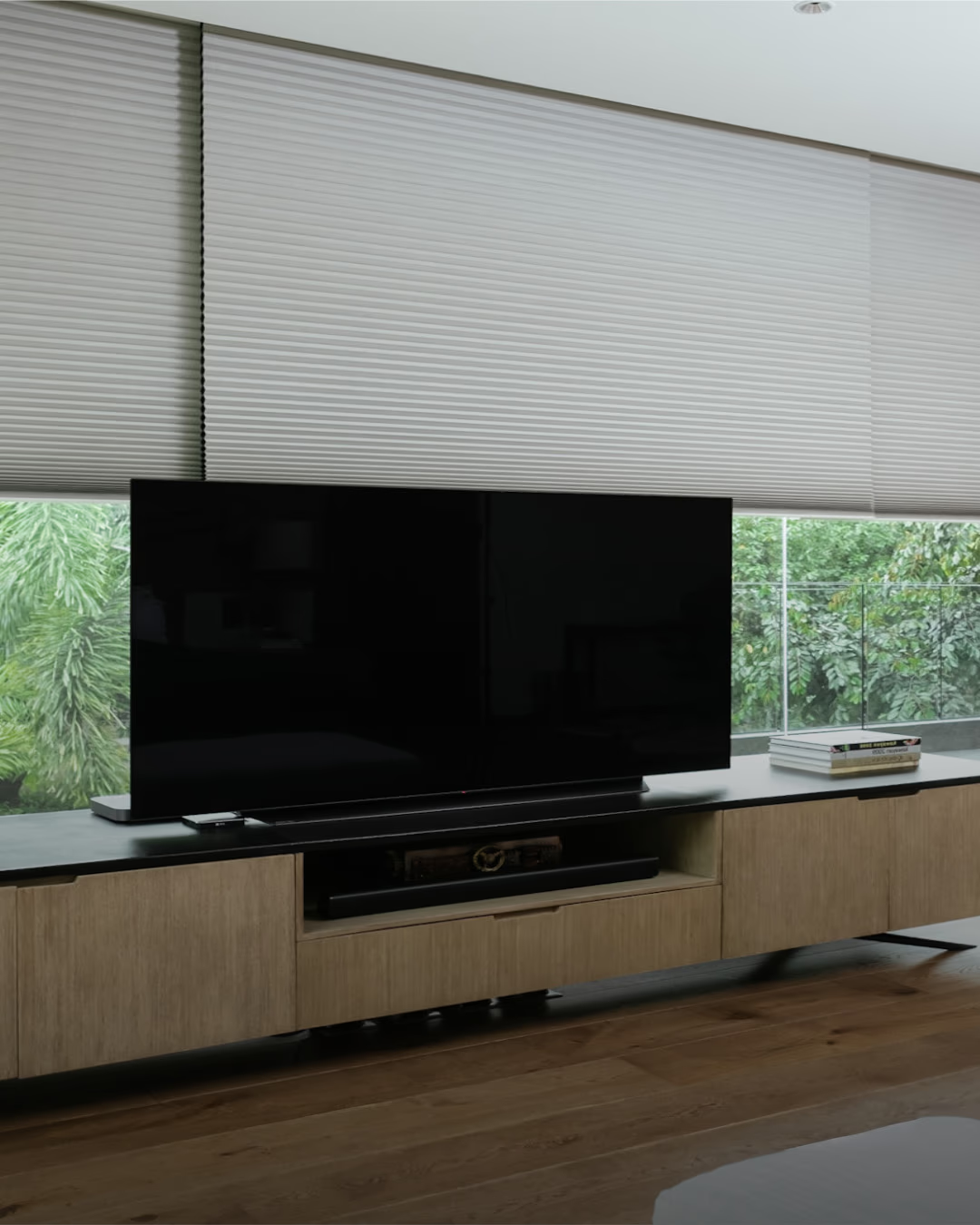
Title 24 documentation that clears Climate Zone 2 permits
That does not mean any cellular shade automatically makes a noncompliant window compliant. We provide the available product data for the selected treatment so the project professional can determine whether and how it should be included in the required calculations.
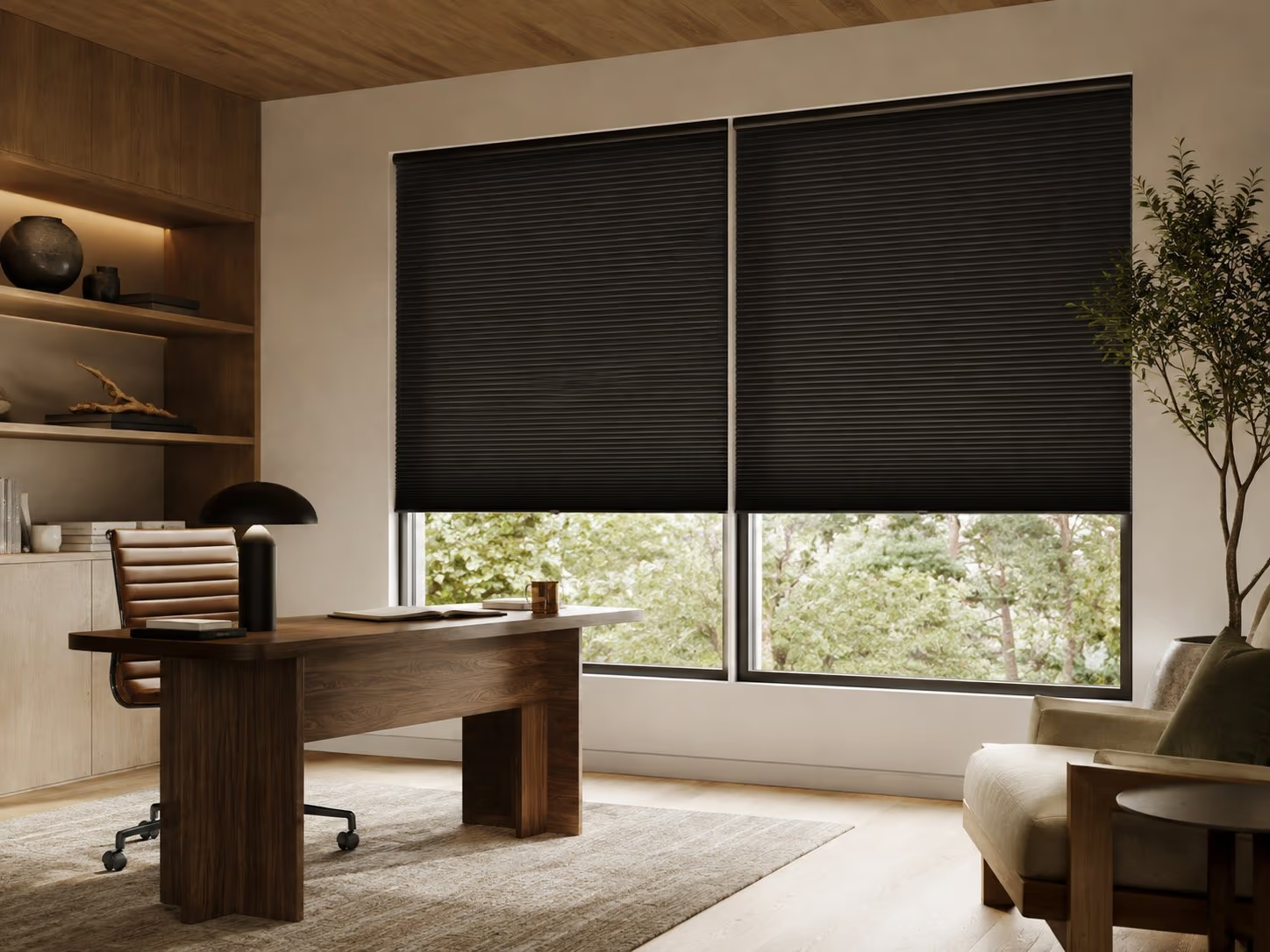
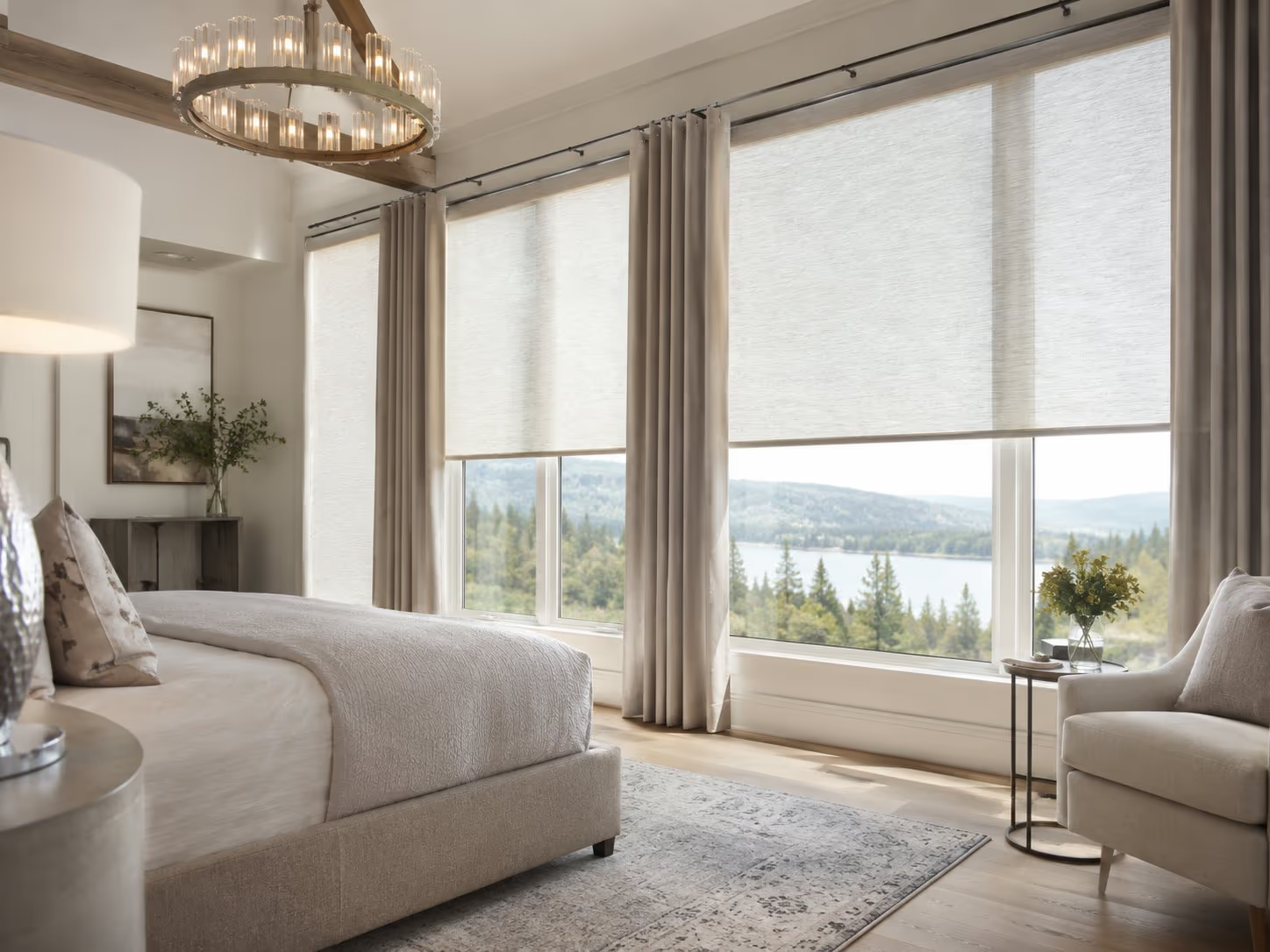
From a product-selection standpoint, west-facing glass may call for stronger solar control while bedrooms or older windows may benefit more from insulating cellular fabrics. We use orientation and room use to guide the shade recommendation, then provide the performance information needed by the project team.
Get compliance documentationHow we deliver it
What this solution includes
Where Window Treatments Fit Into an Energy-Code Conversation
Title 24 is California’s Building Energy Efficiency Standards. The rules cover many parts of a building, including fenestration performance, but the exact thresholds and calculation methods depend on project type, climate zone and compliance path. Some rated attachments can improve the thermal or solar performance of a window assembly when they are modeled or documented correctly.
Sonoma County Climate-Zone Considerations
Much of the local service area sits in California Climate Zone 2, where hot summer afternoons meet cool winter nights. Those conditions explain why both solar heat gain and winter heat loss matter when selecting window treatments. The relevant code zone for a specific address and project should still be confirmed through official project documentation.
New Construction, Remodels and Voluntary Efficiency Upgrades
The role of a window treatment changes depending on the project. New construction allows mounting pockets, power and shading to be planned before finishes are installed. Remodels may be working around existing glass and framing. A voluntary upgrade may not be part of a permit calculation at all, even though the homeowner still wants better comfort or solar control.
Coordinate the Window Treatments Before They Become a Construction Problem
If your project has an energy-code requirement, bring us in early enough to confirm shade dimensions, mounting, power and available performance documentation. We can work with your contractor or design team while they handle the formal compliance path.
The details
- Fenestration U-Factor
- ≤ 0.27 required · documented per project
- West-Facing SHGC
- ≤ 0.17 (solar 1%–3% openness)
- South-Facing SHGC
- ≤ 0.22 (solar + Silhouette)
- Climate Zone
- Zone 2 (Sonoma County)
- Child Safety
- ANSI/WCMA A100.1-2022
Recommended products
Products that deliver this
FAQ
Frequently Asked Questions
Title 24 is California’s Building Energy Efficiency Standards. Code cycles, effective dates and local enforcement details can change, so we work from current California Energy Commission information rather than rely on a static summary alone. For an active permit, confirm the applicable code cycle with the project professional or authority having jurisdiction.
Potentially, when the product has appropriate performance data and the compliance method allows it to be included. The effect is based on the complete window assembly, not the shade by itself. We provide current manufacturer/NFRC documentation for the selected treatment so the energy professional can determine whether it can be credited.
U-factor describes heat transfer through an assembly; lower values indicate less heat transfer. Solar Heat Gain Coefficient describes how much solar energy passes through as heat; lower values indicate less solar heat gain. The required values depend on the project and glazing, so they should be read from the applicable code and energy documentation rather than generalized from one shade.
No. Energy-code requirements can also be triggered by additions and certain permitted alterations, but the scope varies. Replacing a window treatment by itself is different from a permitted window replacement or major remodel. Check the project scope with the contractor, designer or local building department.
For products that have current manufacturer or NFRC performance documentation, we can provide the available data sheets and product identification needed by the project team. We do not replace the energy consultant or certify the building’s compliance; our role is to supply accurate window-treatment information for the products being installed.