Child Safety
Nursery and Kids Room
In a child’s room, operating-system safety comes first. Current cordless and motorized shades avoid the long accessible cords associated with older window coverings. After that requirement is met, the decision can focus on privacy, room darkening, insulation and a fabric that is easy to live with.
Discount Best Blinds and Shutters measures the room and reviews current manufacturer safety options so the final treatment is securely installed and appropriate for the window.
Get a Free Quote
Nursery and Kids Room Window Treatments
The website should avoid implying that a product is safe simply because it looks cordless in a photo. The exact operating system and installation are what matter.
We compare convenience and service requirements instead of treating motorization as automatically safer or better in every nursery.
We describe the actual light-control performance rather than promising that a shade will create or regulate a child’s sleep schedule.
A shade does not improve indoor air quality by itself. Ventilation, HVAC, humidity and material emissions are separate issues, so we are careful not to overstate what an insulating window covering can do.
Use current product safety documentation for the hardware and clear performance language for the fabric. That is more credible than combining standards with unsupported health claims.
Get a Free QuoteWhat to consider
The right fit for the space
Use Current Child-Safe Operating Systems
Window-covering safety standards have moved the market toward cordless and inaccessible-cord designs. For nurseries and children’s rooms, we prioritize products that meet the current applicable ANSI/WCMA requirements and follow manufacturer installation instructions.
Cordless or Motorized: Choose the Simpler Safe Control for the Room
A cordless manual shade is often the simplest answer on an easy-to-reach window. Motorization becomes useful when the shade is large, behind furniture or expected to follow nap and bedtime schedules. Both approaches can remove accessible cords when the approved product is selected.
Room-Darkening and Blackout Options for Naps and Bedtime
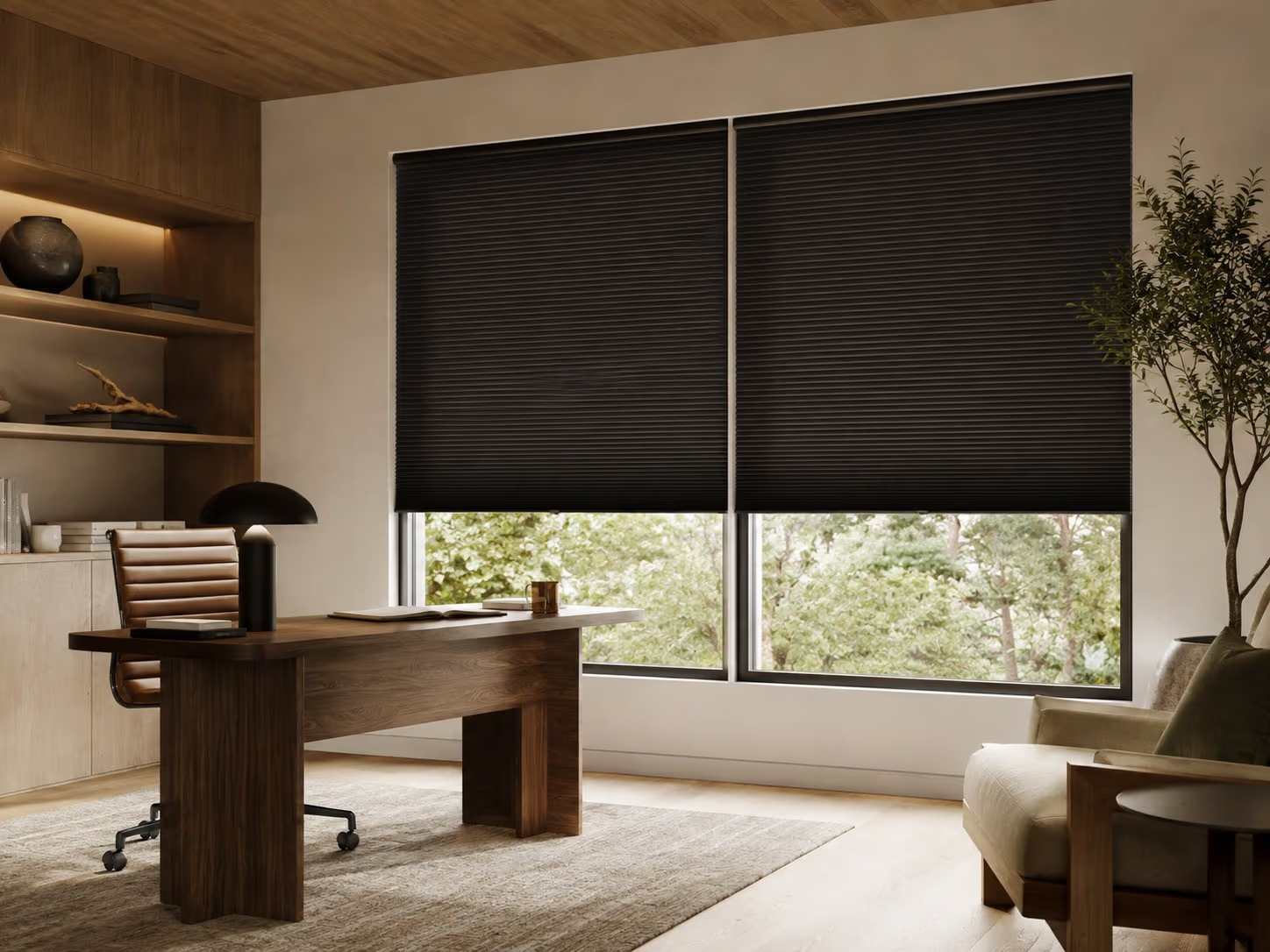
Babies and children may nap while the room is still bright outside, so stronger light control can make the room environment more consistent. Room-darkening fabrics reduce most light, while blackout-rated products and edge-control systems can reduce it further.
Insulated Shades Can Make the Window Area More Comfortable
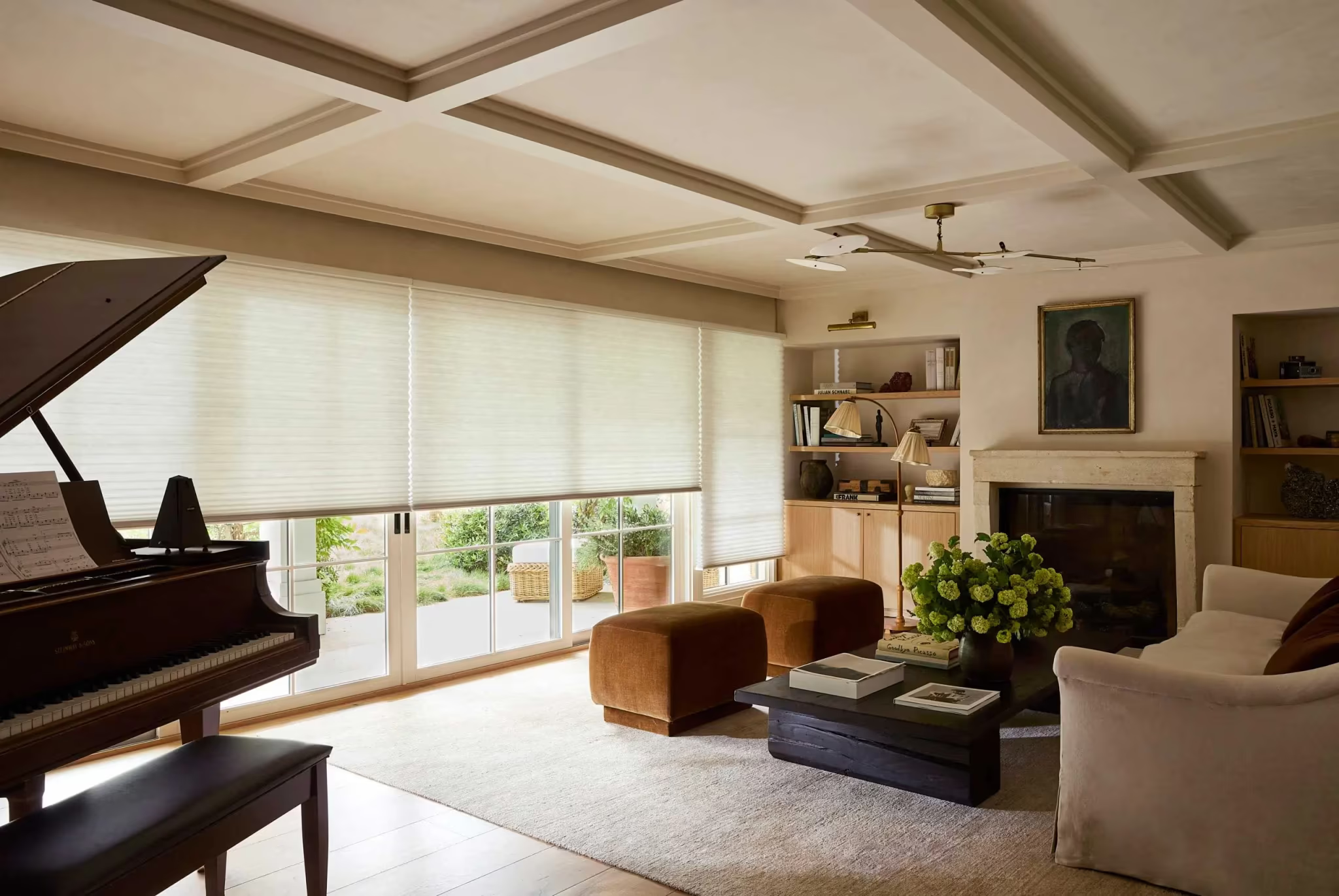
Cellular shades add a layer of trapped air between the room and glass, which can reduce heat transfer and drafts. That may help the room maintain a more even temperature near the window.
Keep Safety Claims Separate From Sleep Claims
The strongest reason to choose a nursery treatment is verified child-safe operation and secure installation. Light control can make the room darker and more predictable, but it should not be framed as a medical or developmental intervention.
Use Current Safety Standards Throughout the Home
Children do not remain only in the nursery. When replacing window coverings in a home with young children, it makes sense to use current compliant operating systems in living areas, bedrooms and other spaces they can access. We can identify older corded treatments during a whole-home consultation and prioritize replacement where needed.
Compare Cordless and Motorized Options for the Child’s Room
Schedule an in-home consultation to review current safety-focused operating systems, room-darkening fabrics and the fit of the treatment around furniture and window hardware.