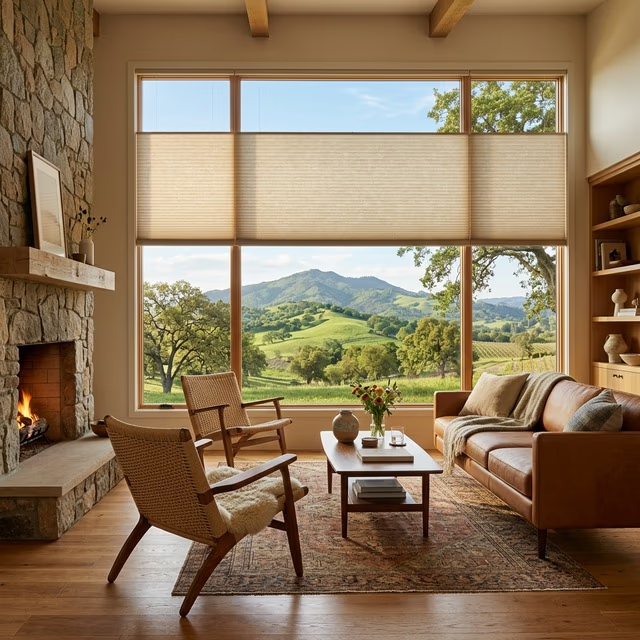
View Preservation
Living Room
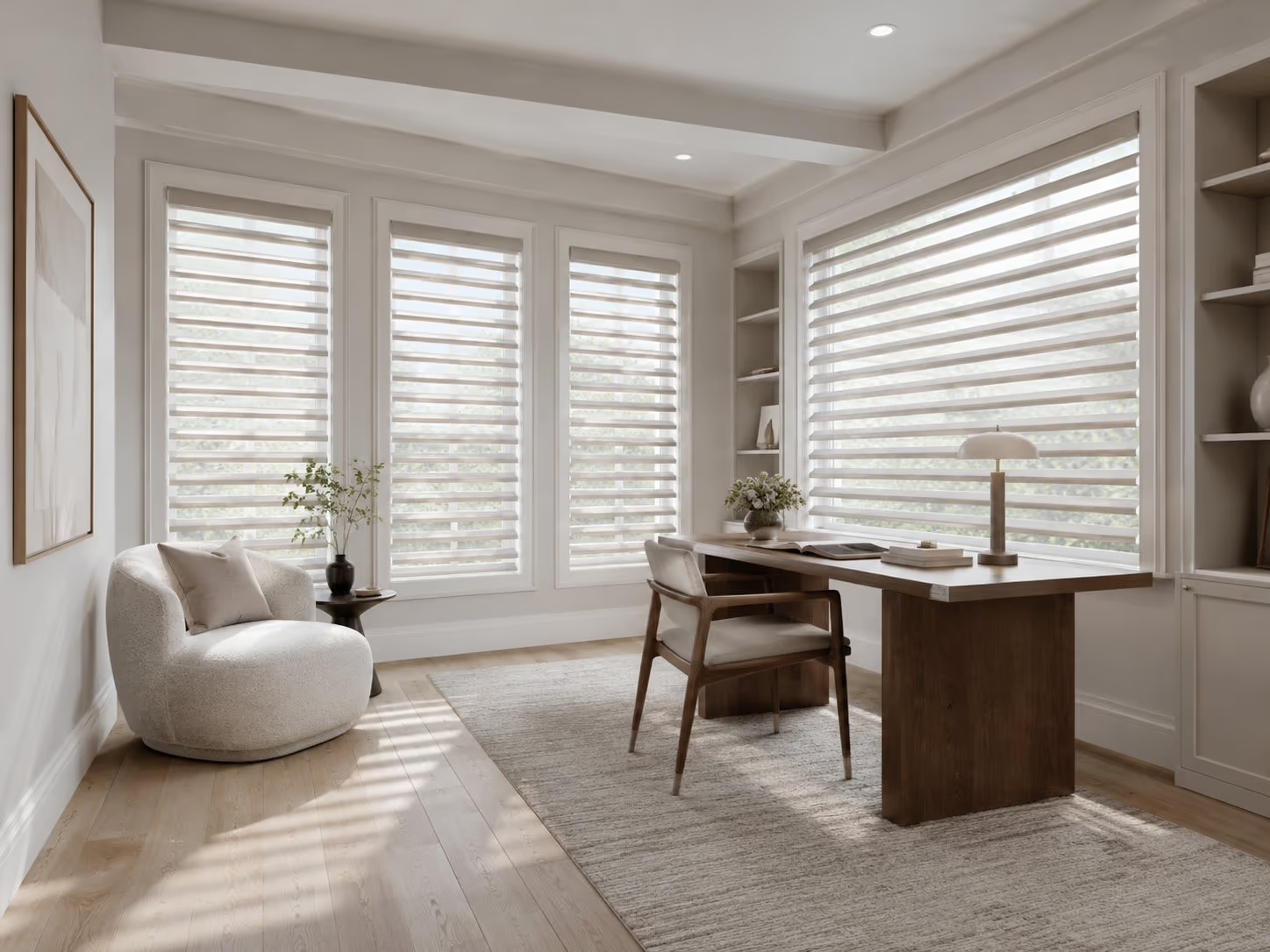
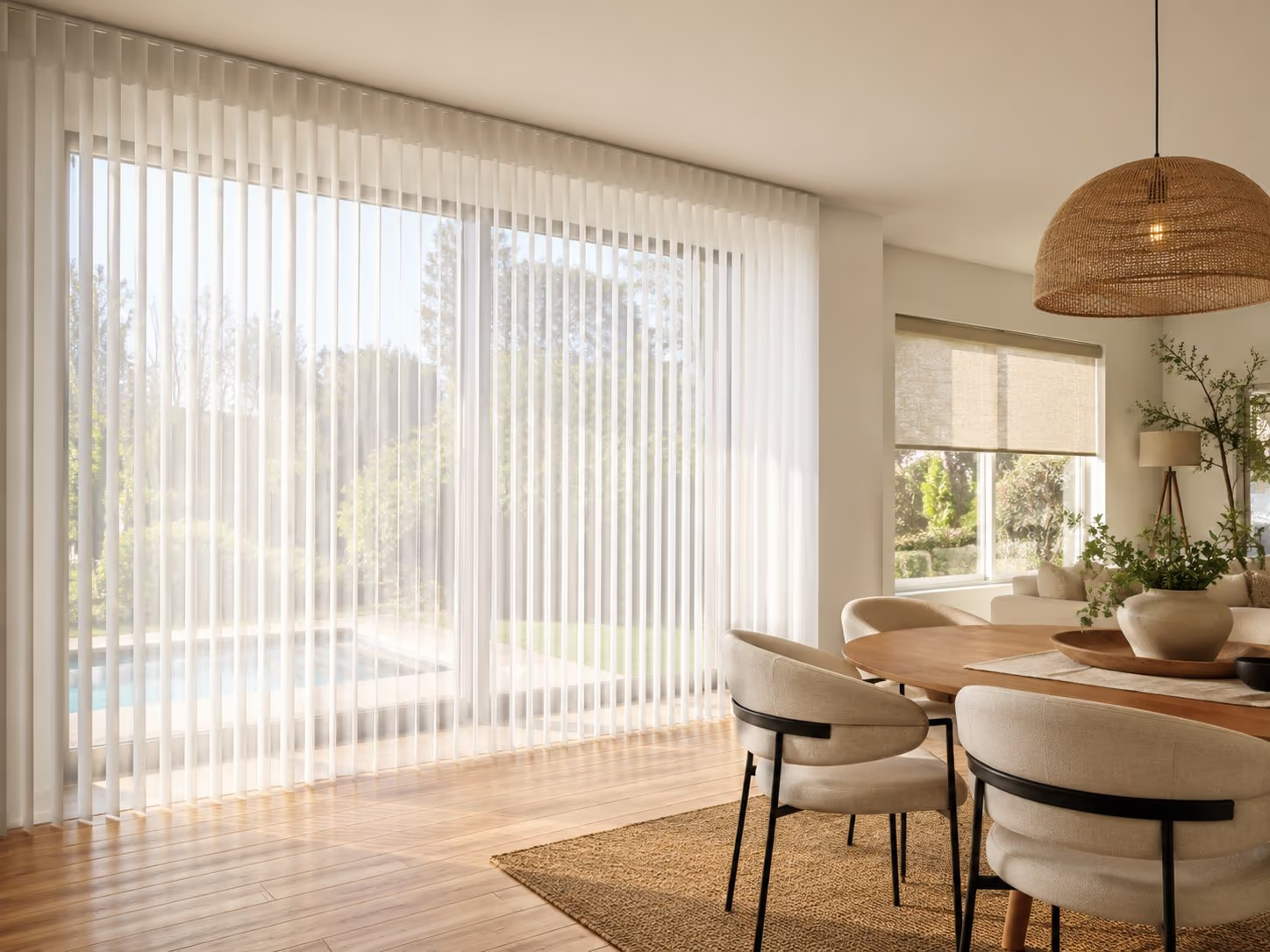
Living-room windows often need to do several things at once: keep the space bright, reduce direct glare, provide evening privacy and avoid hiding the exterior view all day. Sheer shadings, solar shades, cellular products and adjustable blinds each solve that balance differently.
Discount Best Blinds and Shutters brings samples to the room so you can judge transparency, color and scale at the actual glass. Large windows are measured carefully because a product that looks good on a standard window may be awkward or heavy across a wide living-room opening.
Get a Free Quote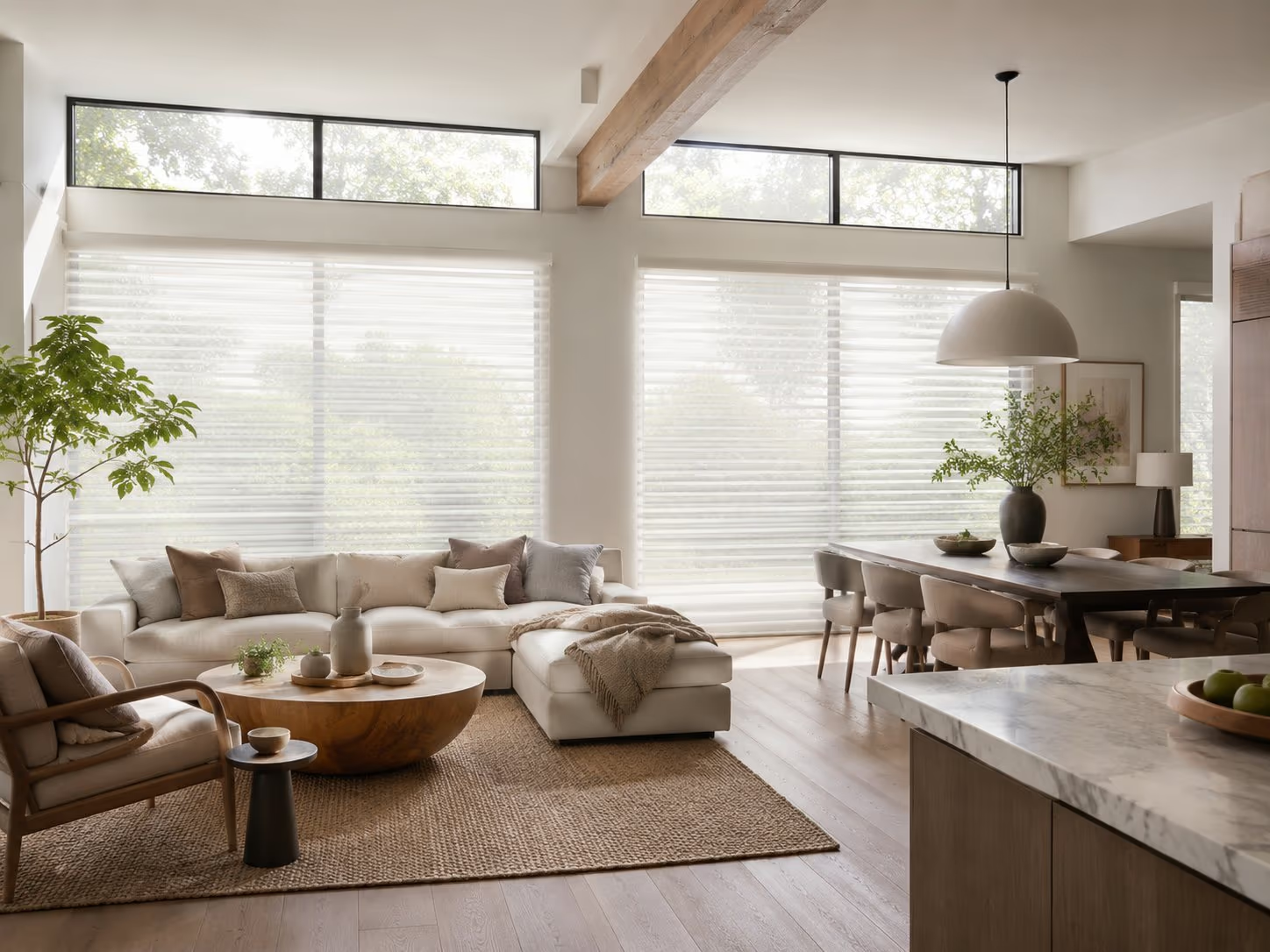
Living Room Window Treatments
Privacy changes after dark, when interior light can make sheer products transparent from outside. We plan for both conditions rather than choosing a “view preserving” product without considering nighttime use.
If one sun path crosses the same floor or sofa every afternoon, motorized scheduling can make protection more consistent without requiring the shade to remain closed all day.
The effect on utility costs varies too widely to promise a fixed percentage. We instead identify the uncomfortable windows and compare products using verified performance data for the exact configuration.
We measure the opening and the usable space around it before choosing the product. A compact roller may fit where a heavy horizontal blind will not; a vertical sheer may be better on a slider than a wide horizontal shade.
Motorization should remain an option, not a requirement. Easy-to-reach windows that rarely move may be simpler and less expensive with a cordless manual system.
Get a Free QuoteWhat to consider
The right fit for the space
Decide How Much of the Outdoor View You Want to Keep
If the window frames a garden, hillside or other valued view, an opaque treatment that stays down all day may solve glare at the cost of the feature you wanted to preserve. Solar fabrics and sheer shadings can reduce direct light while keeping different levels of daytime view-through.
Reduce Direct Sun on Floors, Furniture and Artwork
Window treatments can reduce UV and visible-light exposure that contributes to fading of wood, textiles, rugs and artwork. Solar fabrics, sheer shadings and more opaque shades provide different levels of filtering. The exact percentage should come from the selected manufacturer fabric, not a blanket category claim.
Large Living-Room Windows Can Also Be a Comfort Problem
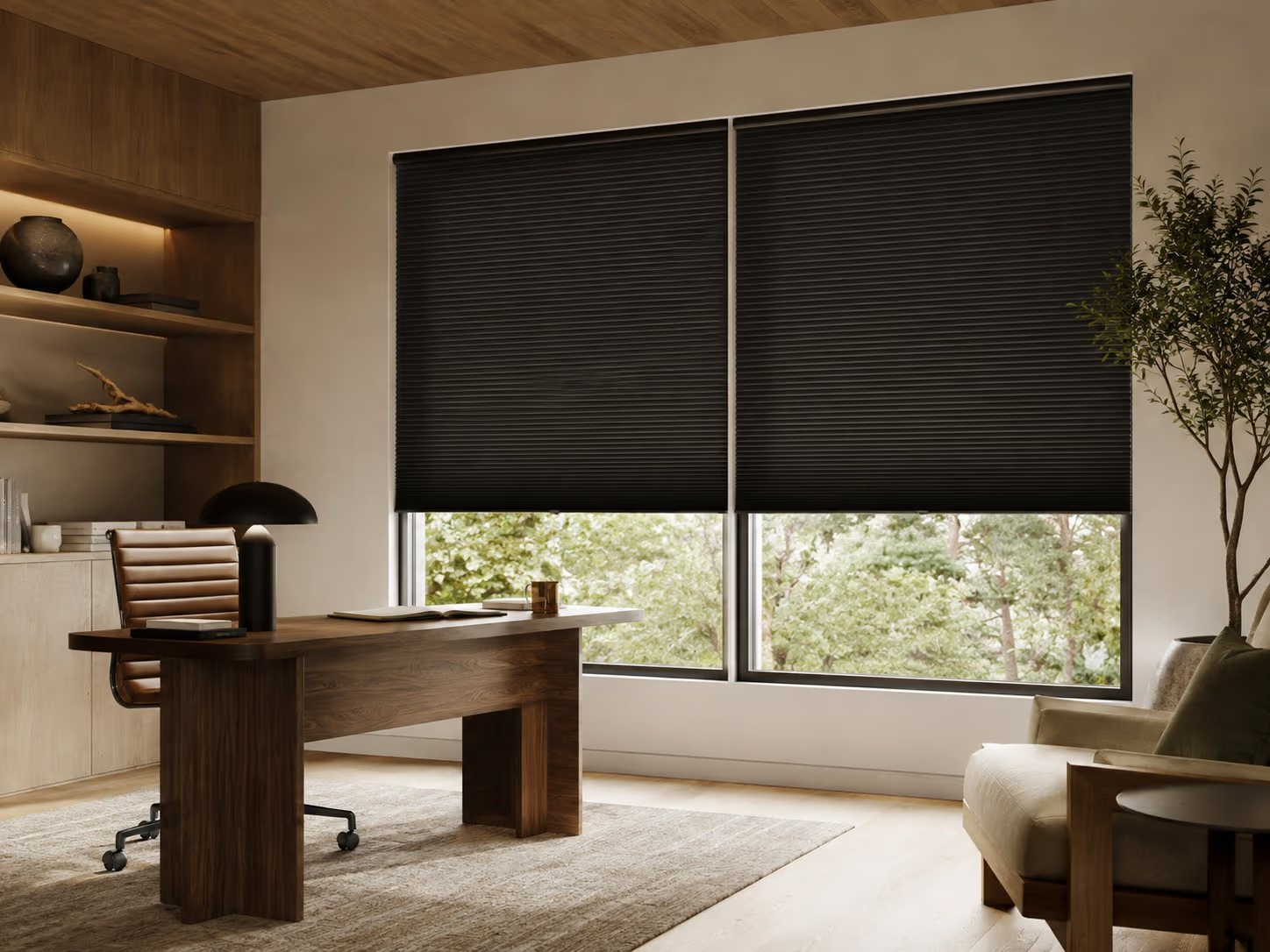
Because living rooms often have the largest glass area in a home, they can feel hot near west-facing windows or cold beside older glazing. Cellular shades add insulation; solar fabrics reduce direct sun; shutters and lined drapery create other forms of coverage.
Match the Treatment to Large Glass, Doors and Furniture Layout
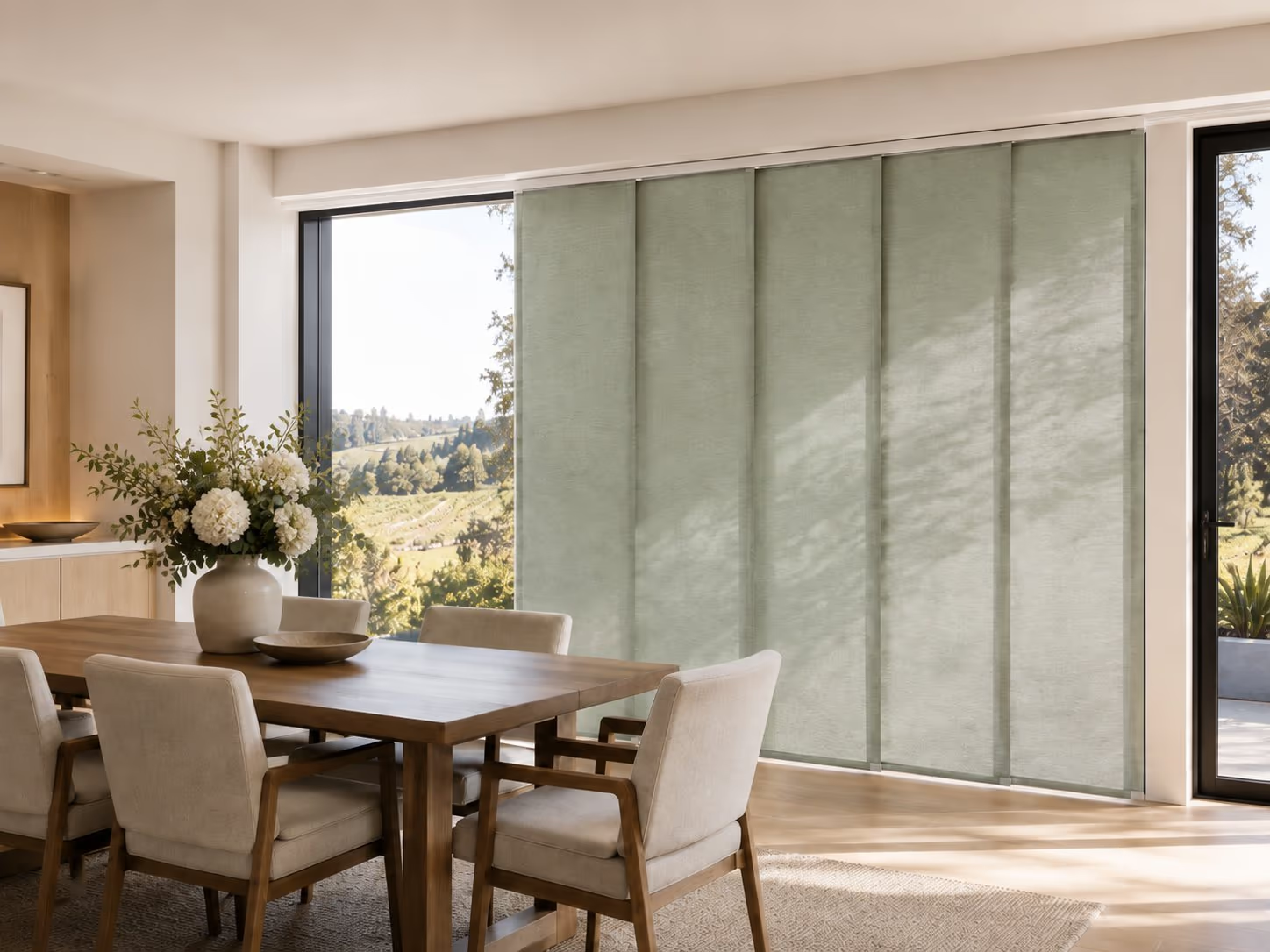
Open-plan living rooms may include wide picture windows, sliding doors, corner glass or windows that extend behind furniture. Those conditions affect where a treatment can stack, whether controls are reachable and how much headrail is visible.
Motorization Makes Sense on Large or Frequently Adjusted Living-Room Windows
If several shades move together every afternoon, automation can save repeated manual adjustment. It is also useful on tall windows or openings behind furniture. Compatible systems can group shades into simple scenes while preserving manual override when you want a different position.